Toiny: How Saint Barth's Most Exposed Atlantic Coast Became the Island's Most Dramatically Private Luxury Address
March 23, 2026 · 14 min read
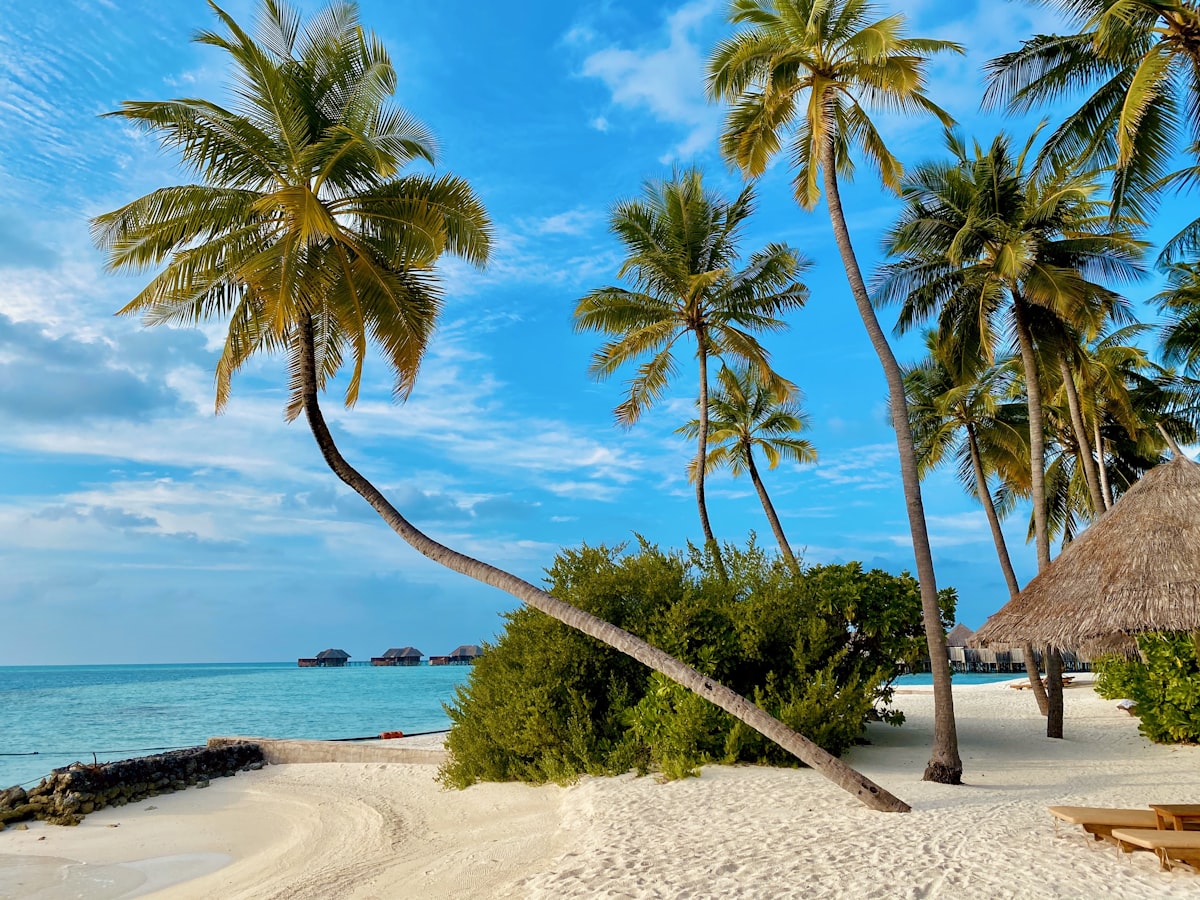
Every island has a side that faces the weather. On Saint Barthélemy — eight square miles of volcanic rock at the northern edge of the Lesser Antilles — that side is the southeast, where the Atlantic trade winds make first contact with land after crossing three thousand miles of uninterrupted ocean from the coast of West Africa. The beaches here do not invite swimming. The surf is powerful and unpredictable, the currents dangerous, the shoreline defined not by the calm crescents of the leeward coast but by dark volcanic headlands, surge channels and the constant, white-noise percussion of the open Atlantic.
It is precisely this inhospitality that has made Anse de Toiny — Saint Barth's most exposed, least accessible and most dramatically beautiful bay — the island's ultimate luxury address. Where the leeward coast of Saint Jean, Flamands and Gouverneur offers the Caribbean postcard (calm turquoise water, white sand, gentle gradient), Toiny offers something that the Caribbean very rarely provides: grandeur. The scale of the ocean here, the violence of the surf, the raw geology of the headlands — these are qualities that belong more to the Scottish Highlands or the Galician coast than to the Lesser Antilles. And for a particular type of buyer — one for whom the Caribbean's conventional charms have long since lost their novelty — this geological drama is precisely the point.
The Geography of Privacy
Toiny's luxury proposition is, at its most fundamental, a consequence of topography. The bay sits at the end of a single-lane road that climbs from the village of Grand Cul-de-Sac over a volcanic ridge before descending — steeply, with the kind of hairpin turns that discourage casual exploration — to the coast. There is no through-road. No restaurant (the Hotel Le Toiny's restaurant being accessible only to guests and villa renters). No beach bar, no watersports operator, no commercial activity of any kind. The bay's swimming conditions — a powerful shore break, strong rip currents, and a steep cobblestone bottom — ensure that even the most determined beachgoer will, after one encounter with the surf, relocate to calmer waters elsewhere on the island.
The result is a level of privacy that cannot be engineered, only inherited from geography. During peak season — when Saint Jean beach is a continuous installation of parasols and Flamands is occupied by the overflow from the Cheval Blanc — Toiny's coastline is typically empty. Not quiet. Not uncrowded. Empty. The only evidence of human presence is the villas themselves, set back from the cliff edge on the volcanic hillside above, their infinity pools oriented toward an Atlantic horizon that contains, on most days, no visible vessel of any kind.
Le Toiny: The Anchor
The Hotel Le Toiny — fifteen cottage-suites arranged along the hillside above the bay, each with a private plunge pool and unobstructed ocean views — has been Toiny's defining hospitality presence since 1992. Originally developed as a small luxury resort in the Relais & Châteaux tradition, Le Toiny was acquired in 2019 by an investment group that undertook a comprehensive renovation, repositioning the property as one of the Caribbean's most exclusive hotel experiences.
Room rates of €2,000 to €5,000 per night position Le Toiny at the apex of Saint Barth's hospitality market — above even the Cheval Blanc (which benefits from its Flamands beachfront location and LVMH brand equity) in terms of per-key revenue. The premium is not for facilities (Le Toiny's spa is modest, its restaurant seats thirty, its beach is functionally unusable for swimming) but for the specific quality of the experience: the sensation of being at the edge of something, of occupying a perch between the cultivated Caribbean and the wild Atlantic, with nothing between your terrace and Africa but ocean.
The Villa Market
The residential market in the Toiny corridor — encompassing the hillside above Anse de Toiny, the ridge between Toiny and Grand Fond, and the elevated parcels with dual-aspect views toward both the Atlantic and the calmer waters of Grand Cul-de-Sac — represents the most extreme price point on an island that already ranks among the world's most expensive per-square-metre real estate markets.
Villa prices in the Toiny sector currently range from €8 million for a three-bedroom hilltop property with pool to €35 million and above for the most significant estates — properties with multiple structures, staff quarters, direct cliff-edge positions and the kind of 270-degree ocean views that, on an island of eight square miles, are available from perhaps fifteen to twenty sites in total. Land parcels, where available (which is rarely — Toiny's development capacity is effectively exhausted under current planning regulations), trade at €3,000 to €5,000 per square metre, making this the most expensive undeveloped land in the French Caribbean.
The rental market provides a secondary economic logic. A four-bedroom Toiny villa rents at €15,000 to €40,000 per week during peak season (mid-December to mid-April), with the most exceptional properties — those managed by specialist agencies like St Barth Properties or Wimco — achieving €50,000 to €80,000 per week during the Christmas-New Year period. Annual gross rental yields of 4 to 6 per cent are typical, which, when combined with capital appreciation averaging 5 to 8 per cent annually over the past decade, creates a total return profile that competes with any luxury real estate market globally.
The Architecture of Exposure
Building on Toiny's volcanic hillside presents engineering challenges that fundamentally shape the architecture. The terrain is steep — gradients of 25 to 40 per cent are typical — and the volcanic substrate, while providing excellent load-bearing capacity, requires extensive excavation for foundations, pools and retaining walls. Wind exposure is significant: the trade winds that make the southeast coast unsuitable for swimming also impose structural requirements (hurricane-rated roofing, impact-resistant glazing, reinforced concrete frames) that add 20 to 30 per cent to construction costs compared to equivalent builds on the sheltered leeward coast.
The best Toiny architecture works with these constraints rather than against them. The dominant typology is the single-storey pavilion — low-profile structures that follow the hillside contour, with extensive terracing, deep overhangs for solar and rain protection, and living spaces oriented toward the ocean through floor-to-ceiling glazing that can be fully opened on calm days and secured behind hurricane shutters when the Atlantic asserts itself. Materials tend toward the tectonic: volcanic stone, exposed concrete, weathered teak, cor-ten steel — a palette that echoes the geological character of the site rather than imposing the white-stucco-and-turquoise aesthetic of the conventional Caribbean villa.
The Grand Fond Connection
Adjacent to Toiny, connected by a ridge road that offers some of the most dramatic driving views in the Caribbean, the quartier of Grand Fond has emerged as Toiny's complementary residential district — attracting buyers who seek the same Atlantic exposure and geological drama at a somewhat lower price point. Grand Fond properties, set slightly further from the water and on less precipitous terrain, trade at approximately 60 to 70 per cent of equivalent Toiny prices, making this sector the most strategically interesting entry point for buyers seeking exposure to Saint Barth's windward coast.
The community that has formed across the Toiny-Grand Fond corridor is small — perhaps forty to fifty occupied villas in total — and characterised by a demographic that is distinct from the Saint Jean and Gustavia social scene. Toiny residents tend to be repeat visitors of long standing (ten, twenty, in some cases thirty years), often with family connections to the island predating the luxury hospitality era. They are, by and large, people who chose Saint Barth not for its social currency but for its specific geographic qualities — and who chose Toiny, specifically, because it offers the one thing that the Caribbean's more celebrated beaches cannot: the raw, undomesticated power of the open Atlantic as a daily companion.
The Paradox of Inhospitality
Toiny's luxury proposition inverts the conventional Caribbean equation. Where most Caribbean luxury addresses sell proximity to calm water, gentle weather and effortless outdoor living, Toiny sells distance — from crowds, from convenience, from the manicured comfort of the resort coast. The beach is beautiful but dangerous. The road is scenic but demanding. The wind is constant. The ocean is magnificent but unapproachable.
And yet it is precisely this collection of inconveniences that has made Toiny the most expensive residential address on one of the world's most expensive islands. The market has recognised what the topography always knew: that in a world where luxury is increasingly defined by privacy, by the absence of other people, by the ownership of experiences that cannot be shared or replicated, the most valuable real estate is not the most comfortable. It is the most exclusive. And on Saint Barthélemy, nothing is more exclusive than the coast that faces the weather.