Saline Beach: How Saint Barthélemy's Salt-Pond Shore Became the Caribbean's Most Bohemianly Refined Natural Luxury
March 27, 2026 · 12 min read
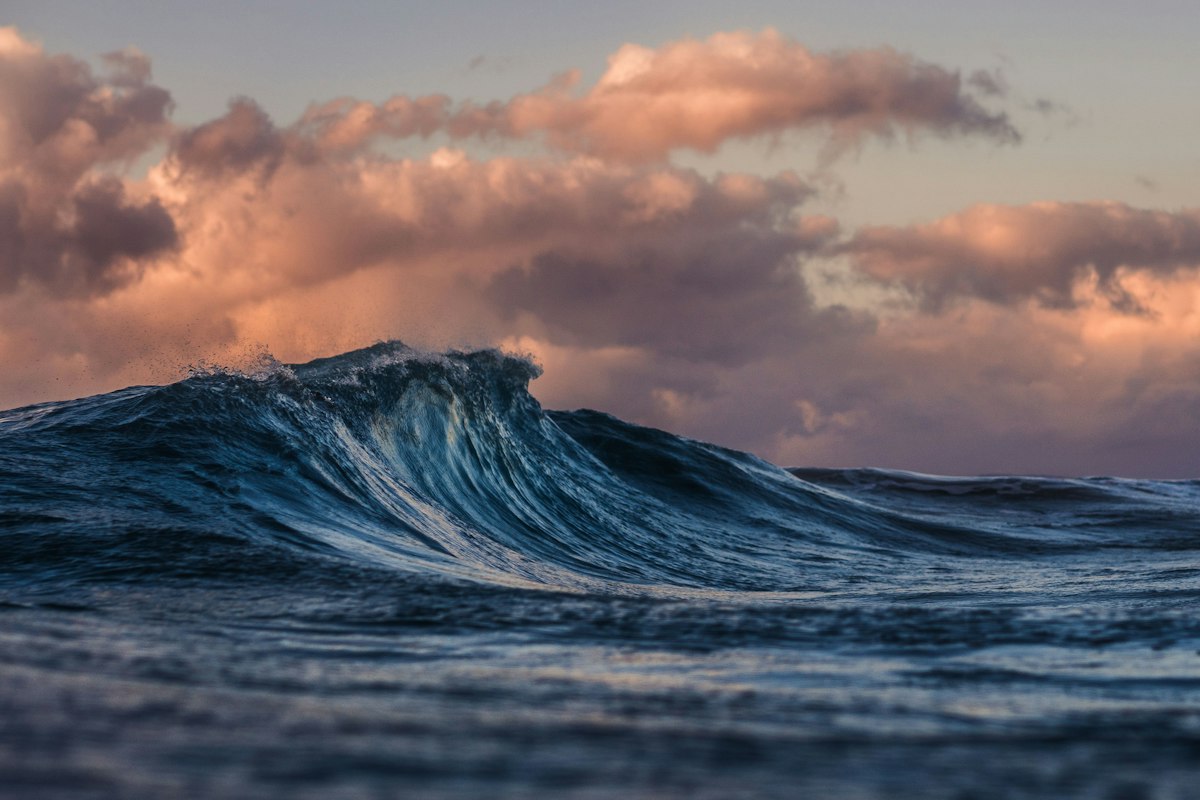
On an island where virtually every beach has been mapped, monetised, and incorporated into the global lexicon of tropical luxury, Saline maintains a distinction that is becoming increasingly rare in the contemporary Caribbean: it remains genuinely, stubbornly, beautifully undeveloped. No beach bar. No lounger concession. No DJ set drifting across the sand at sunset. The approach alone — a ten-minute walk across a dusty trail that winds past the historic salt ponds from which the beach takes its name — functions as a kind of luxury filter, selecting for visitors willing to carry their own provisions and earn their beauty through modest physical effort. The result is a beach experience that represents Saint Barthélemy's most coherent statement on what natural luxury actually means.
The Salt Ponds: Industrial Heritage as Landscape
The étangs de Saline — the shallow, crystalline salt ponds that separate the beach from the road — constitute one of Saint Barthélemy's most historically significant landscapes. For over two centuries, from the Swedish colonial period through the mid-twentieth century, these ponds provided the island's primary export commodity: sea salt, harvested by hand in a process whose seasonal rhythms structured the entire economic and social life of the surrounding quartier. The salt workers — sauniers — who tended the ponds occupied a particular position in the island's social hierarchy: labourers performing backbreaking work under Caribbean sun, yet possessed of specialised knowledge about tides, evaporation, and crystallisation that elevated their trade to something approaching artisanship.
Today, the salt ponds function as a protected ecological zone, their shallow waters hosting populations of migratory shorebirds — stilts, herons, the occasional roseate spoonbill — whose presence adds a dimension of natural spectacle to the approach to Saline beach. The ponds' environmental protection ensures that the land surrounding them cannot be developed, creating a permanent buffer of undisturbed landscape between the beach and the nearest construction — a circumstance that real estate analysts describe as an "irreversible amenity lock," protecting Saline's character against the development pressures that have transformed other Caribbean beaches.
The Beach: Geometry and Light
Saline itself is approximately 300 metres of west-facing sand, enclosed by low, scrub-covered headlands that create a natural amphitheatre open to the Atlantic. The sand — fine, pale, and remarkably clean — slopes gently into water whose colouration shifts from turquoise to deep sapphire as the bottom drops away. The beach's west-facing orientation means that it receives the full Caribbean sunset — a daily event that, viewed from Saline's undeveloped shore without the visual interference of buildings, boats, or artificial light, achieves a quality of painterly intensity that visitors describe in terms normally reserved for art rather than nature.
The dune system that backs the beach — low, grass-stabilised mounds anchored by sea grape and manchineel trees — provides natural shade and wind protection while maintaining the beach's wild, unmanicured character. Unlike the groomed, raked sands of resort beaches, Saline's shoreline retains the marks of natural process: tide lines of dried seaweed, the occasional piece of wave-tumbled coral, patterns in the sand that record the morning's bird traffic. This absence of human intervention is, paradoxically, what makes the beach so luxurious — it offers something that money alone cannot buy: a landscape that has not been designed for consumption.
The Social Code: Luxury Without Infrastructure
Saline has long occupied a particular position in Saint Barthélemy's social geography — the beach of choice for the island's most established residents and longest-returning visitors, precisely because its lack of commercial infrastructure repels the casual tourist. The social code is implicit but well-understood: bring your own cooler, your own umbrella, your own reading material. The wine should be good. The conversation should be better. The children should be capable of entertaining themselves in the waves. There is a particular type of ultra-high-net-worth individual for whom this self-sufficient, anti-service model of beach-going represents the ultimate luxury — an escape not merely from the pressures of wealth but from the industry that has been constructed to service it.
This social dynamic has created, at Saline, something approaching a genuine community of shared aesthetic values — a loose, unspoken confederation of people who have concluded that the best beach experience involves fewer intermediaries, not more. On any given afternoon, the sand at Saline may contain a fashion designer, a hedge fund principal, a Parisian gallerist, and a retired sea captain — none of them identified by any marker more conspicuous than the quality of their linen and the thoughtfulness of their picnic. It is the Caribbean's most democratic luxury space, precisely because it offers nothing for sale.
The Villa Quartier: Proximity as Premium
The residential areas surrounding Saline — the hillsides of Grand Fond to the south, the Gouverneur ridge to the east — contain some of Saint Barthélemy's most sought-after villa properties, their values reflecting not only ocean views and architectural quality but the specific proximity to what the market considers the island's finest beach. Villas within walking distance of Saline command premiums of 15-25% over comparable properties located near the island's more developed beaches — a differential that quantifies, in real estate terms, the market's valuation of natural beauty over commercial amenity.
The properties themselves tend toward a particular architectural vocabulary: concrete and stone rather than timber, indoor-outdoor living spaces that maximise cross-ventilation, infinity pools that read as extensions of the ocean rather than substitutes for it. The best of these villas achieve a quality of environmental integration that blurs the boundary between constructed luxury and natural landscape — a design philosophy that mirrors Saline beach's own relationship with its terrain.
The Essence of Earned Beauty
Saline beach's enduring position at the summit of Saint Barthélemy's beach hierarchy — maintained without a single commercial investment, without a brand partnership, without a social media strategy — offers a lesson in the nature of luxury that extends well beyond the Caribbean. True luxury, Saline suggests, is not the product of investment but of restraint; not the accumulation of services but the preservation of conditions in which services are unnecessary. The ten-minute walk across the salt ponds, the absence of music, the requirement to be self-sufficient — these are not inconveniences but the very mechanisms by which Saline maintains its character. For those who understand this, the beach represents the Caribbean's most perfectly preserved statement on what it means to experience beauty on beauty's own terms.
Part of the Latitudes Media network