The Boutiques of Saint-Barth: How a Caribbean Island Built the Western Hemisphere's Most Improbably Concentrated Luxury Shopping Experience
March 28, 2026 · 14 min read
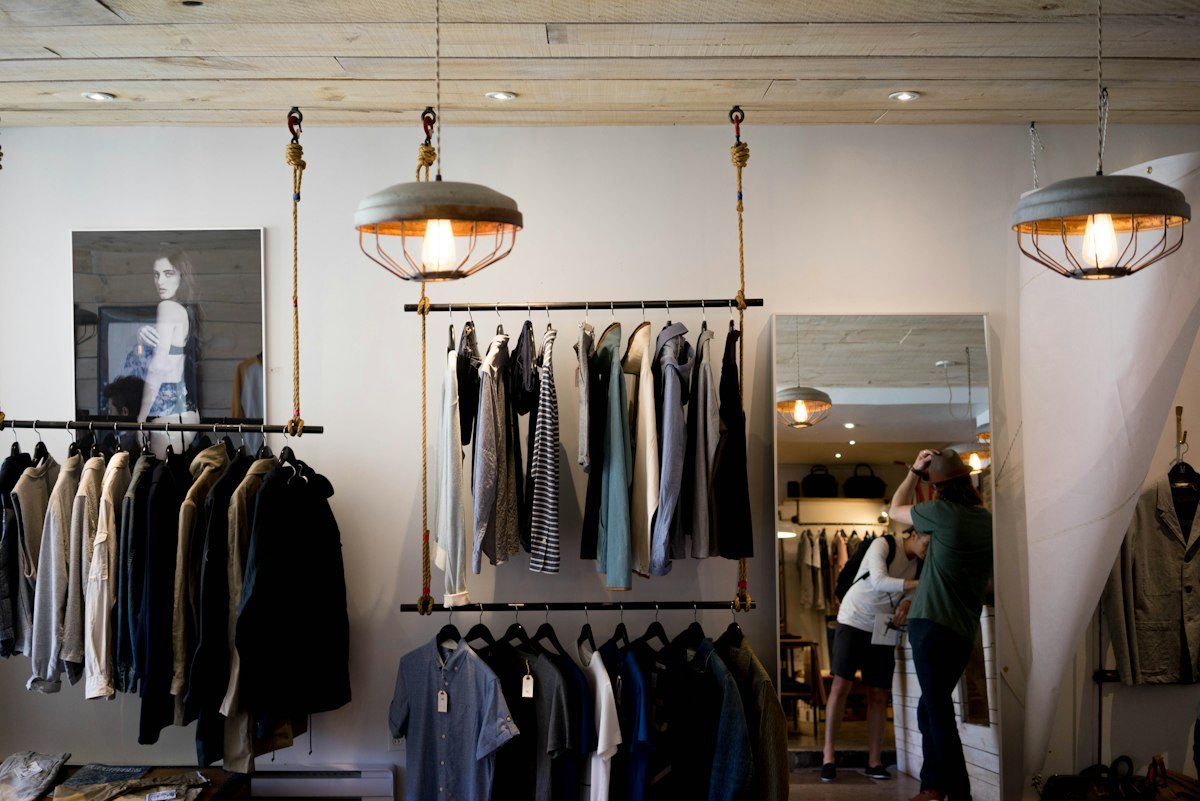
There is something profoundly improbable about walking down the Rue de la République in Gustavia, Saint Barthélemy, and encountering, within the space of two hundred metres, a Hermès boutique, a Cartier salon, a Louis Vuitton store, a Chopard showcase, and half a dozen independent fashion houses whose clientele arrives by private jet and departs by helicopter. The street is narrow, Caribbean in its architecture — stone ground floors topped by wooden balconies, painted in the faded pastels of the French West Indies — and barely wide enough for two people to walk abreast. The harbour is visible from every doorway. The air smells of salt, bougainvillea, and, occasionally, the exhaust of a tender carrying passengers from a superyacht anchored in the roadstead. This is not the Place Vendôme or the Avenue Montaigne transposed to the tropics. It is something stranger and, in its way, more compelling: a luxury shopping experience that could only exist on this particular island, in this particular harbour, under these particular conditions of light and climate and social expectation.
The Duty-Free Advantage: Tax Policy as Luxury Catalyst
Saint Barthélemy's emergence as a luxury shopping destination is inseparable from its fiscal status. Since its cession by Sweden to France in 1878, the island has maintained a unique tax regime — a legacy of Swedish colonial administration — that exempts it from the French VAT system and from most import duties. This fiscal autonomy, confirmed when Saint-Barth became a French overseas collectivity in 2007, means that luxury goods sold on the island carry no sales tax whatsoever. The price advantage over metropolitan France ranges from twenty to thirty per cent on most categories; on certain goods — jewellery, watches, spirits — the differential can be even greater.
This tax advantage alone, however, cannot explain the concentration and the quality of the island's retail offering. Duty-free shopping exists in airports, cruise terminals, and free trade zones throughout the world, and the experience is typically characterised by fluorescent lighting, captive audiences, and the joyless efficiency of mass retail. What Saint-Barth offers is something categorically different: duty-free shopping in a setting of genuine beauty, operated by merchants who understand that their clientele does not need to save money — the savings are incidental — but desires an experience of acquisition that is commensurate with the quality of the goods and the exclusivity of the destination.
Gustavia: The World's Most Beautiful Shopping Village
Gustavia — Saint-Barth's capital, founded by the Swedes in the 1780s and named after their King Gustav III — is laid out on a natural amphitheatre around a deep, protected harbour that can accommodate vessels up to seventy metres at its quays and considerably larger ones at anchor. The town's commercial core occupies a rectangle of perhaps eight streets, and within this rectangle the density of luxury retail per square metre is, plausibly, the highest on Earth. The major maisons — Hermès, Louis Vuitton, Bulgari, Cartier, Chopard, Dior, Chanel — maintain boutiques that are designed not as tropical branches of metropolitan flagships but as destination stores, each one a considered response to the island's architecture, climate, and social atmosphere.
The Hermès boutique, occupying a restored colonial building on the harbour front, is a masterclass in contextual luxury retail. The façade retains its original stone-and-wood character; the interior substitutes the padded hush of a Parisian salon for an airy, open-plan space where the trade winds circulate freely, the light enters unfiltered through tall windows, and the merchandise — silk scarves, leather goods, ready-to-wear — is displayed with the casual assurance of a private collection rather than the theatrical precision of a department store. The effect is both elevated and relaxed: shoppers browse in swimwear and flip-flops, attended by staff whose warmth and discretion are calibrated to an island where formality is considered a form of vulgarity.
The Independents: Island Fashion as Art Form
While the major luxury houses provide the marquee names, the true character of Saint-Barth's shopping scene is defined by its independent boutiques — the island-based designers, curators, and merchants who have created a fashion ecosystem that exists nowhere else. Lolita Jaca, the island's most celebrated independent fashion house, produces resort wear that has achieved cult status among the international set: fluid silks, hand-printed cottons, and beach accessories designed with a sophistication that makes mass-market resort wear look like costumery. Stéphane & Bernard, the legendary Gustavia boutique, curates a selection of international designer fashion — Alaïa, Valentino, Stella McCartney — with an editorial eye that positions the store less as a retailer than as a gallery of contemporary style.
The island's jewellery offerings are equally distinctive. Donna del Sol, located on the Rue du Roi Oscar II, designs pieces that draw on Caribbean marine motifs — shells, coral, sea glass — rendered in gold and precious stones with a refinement that elevates beach jewellery into haute joaillerie. Fabienne Miot's atelier specialises in bespoke pieces created from rare gemstones, each one unique, designed in consultation with clients who may visit the island specifically for the commission. These independent jewellers compete not on brand recognition but on craft, originality, and the personal relationship between maker and buyer — a model of luxury retail that the major houses have spent the last decade trying, with mixed success, to emulate.
The Seasonal Rhythm: Shopping as Social Theatre
Saint-Barth's retail calendar is governed by the island's two social seasons: the winter high season (December through April), when the international elite arrives in force, and the quieter summer months (June through August), when a more European, more bohemian crowd takes residence. The winter season — particularly the weeks between Christmas and New Year, when the island's population swells from eight thousand to an estimated thirty-five thousand — transforms Gustavia's shopping streets into a promenade of extraordinary social density. Billionaires, celebrities, fashion designers, and art world figures browse the boutiques, lunch at the harbour-front restaurants, and conduct the rituals of conspicuous leisure that have made Saint-Barth a synonym for ultra-high-net-worth vacationing.
During these peak weeks, the shopping experience takes on a theatrical quality that no marketing strategy could manufacture. The Hermès boutique may have a queue — not because the store is understaffed, but because the boutique is intimate and the clients numerous, and the resulting wait becomes a social occasion in itself, a chance to see and be seen in the most desirable vestibule in the Caribbean. Limited-edition pieces — Saint-Barth exclusives, resort capsule collections, one-off collaborations — appear in the independent boutiques with the urgency of gallery openings. And the act of shopping itself, in a setting where the harbour is always visible, the music always perfect, and the next beach always minutes away, is transformed from commercial transaction into a form of aesthetic pleasure.
Beyond Gustavia: Village Shopping
While Gustavia concentrates the luxury maisons and the jewellers, Saint-Barth's shopping experience extends beyond the capital to the island's scattered villages, where a different, more intimate form of retail prevails. In Saint-Jean, the beachside village that serves as the island's second commercial centre, boutiques line the road between the airport and the bay, offering a more casual but no less carefully curated selection of resort wear, homewares, and accessories. The shops here — many of them owner-operated, most open to the breeze, all within earshot of the surf — cater to the daily needs of villa residents who want to browse in the interval between morning swim and afternoon nap.
In Lorient, the Creole village on the island's eastern coast, the shopping shifts register again: here the offerings include local artisan products — straw bags, handmade soaps, island-produced rum — alongside the contemporary fashion. And at the Villa Créole shopping centre near the airport, a covered arcade houses a selection of boutiques that ranges from European designer labels to island-born brands, with a food court that provides the most democratic retail experience on an island not generally associated with democratic anything.
The Philosophy: Why Shopping Matters on Saint-Barth
To dismiss Saint-Barth's shopping scene as mere consumption — as the predictable retail appendage of an ultra-wealthy resort island — would be to misunderstand both the island and the nature of luxury retail. What Saint-Barth has achieved, over four decades of evolution from forgotten Caribbean backwater to the world's most exclusive island destination, is a form of shopping that is genuinely integrated into the culture of the place. The boutiques are not separate from the island's social life; they are central to it. The act of choosing a dress, a jewel, a silk scarf, is conducted in the same spirit as the choice of beach, restaurant, or sunset viewpoint — as an exercise of taste, a declaration of identity, an engagement with beauty.
This integration of commerce and culture, of buying and being, is what distinguishes Saint-Barth's retail experience from every other luxury shopping destination in the world. In Paris, you shop; on Saint-Barth, you live, and shopping is part of the living — as natural as swimming, as pleasurable as dining, as essential to the island experience as the view from your villa terrace at golden hour. The boutiques of Gustavia do not sell luxury goods; they sell the possibility of being, for a moment, the best-dressed person on the most beautiful island in the world. And that, for the clientele that sustains them, is not a purchase but an experience — one worth returning for, season after season, year after year.
Published by Saint-Barth Latitudes · Part of the Latitudes Media network