The Carnival of Saint Barthélemy: How the Caribbean's Most Exclusive Island Celebrates Its Most Exuberantly Creole Tradition
March 27, 2026 · 12 min read
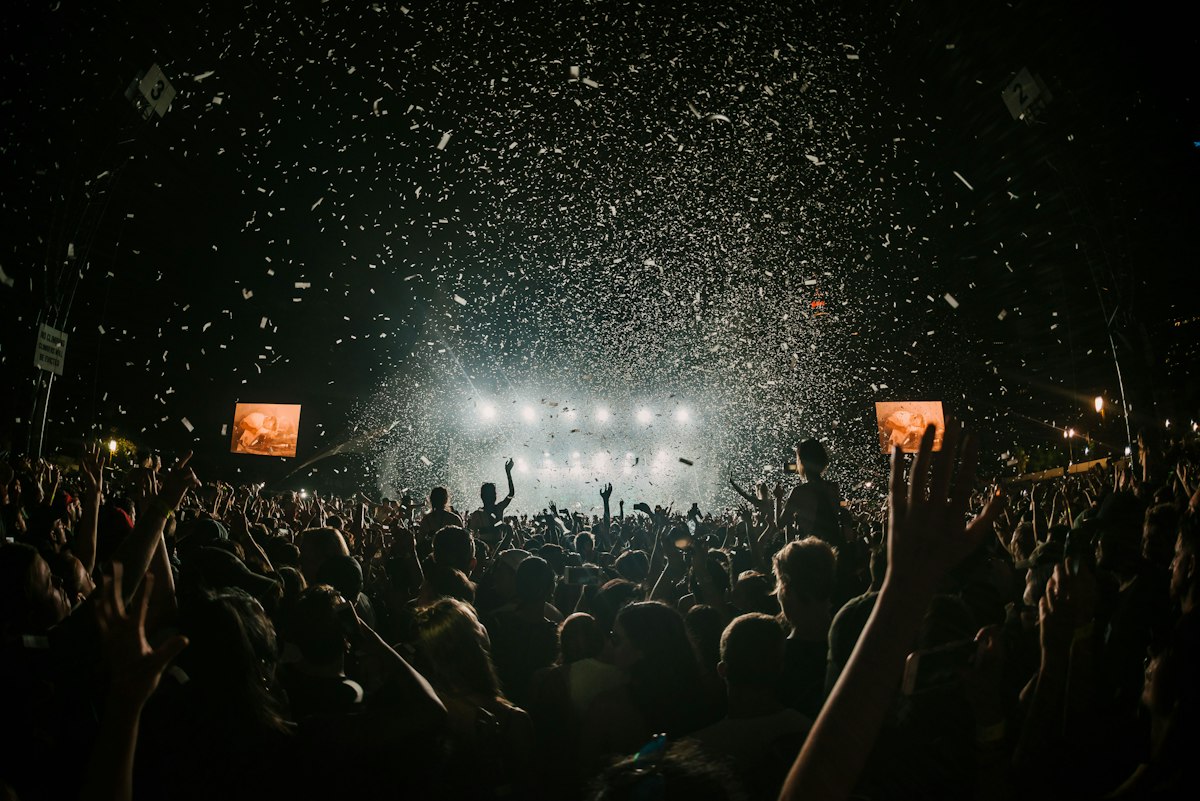
There is a moment, at approximately two o'clock on the Tuesday afternoon of Carnival, when the island of Saint Barthélemy reveals its most closely guarded secret. It is not a villa with a famous owner, or a beach that only locals know, or a table at a restaurant that cannot be booked. It is this: that beneath the polished surface of superyachts and designer boutiques and thirty-thousand-dollar-a-week villas, Saint-Barth is, and has always been, a Caribbean island with a Caribbean soul. The moment arrives when the Grand Parade rounds the corner onto the Quai du Général de Gaulle in Gustavia, and the harbour — which for the other fifty-one weeks of the year serves as a backdrop for some of the most expensive floating real estate on earth — is reclaimed by something older, louder, more joyful, and infinitely more human: Carnival.
Five Days of Transformation
The Carnival of Saint Barthélemy — Carnaval de Saint-Barth — unfolds over approximately five days, beginning on the Saturday before Ash Wednesday and culminating on Ash Wednesday itself with the burning of Vaval, the giant effigy whose immolation marks the end of the festivities and the beginning of Lent. The timing places it in February or early March, which on Saint-Barth coincides with the peak of the winter season — meaning that the Carnival processions pass through streets lined with visitors who have come for the beaches and the boutiques and who find themselves, unexpectedly and delightfully, witnesses to a cultural expression of a depth and authenticity that the island's luxury reputation rarely advertises.
The five days follow a traditional Caribbean Carnival structure, adapted to Saint-Barth's particular cultural history. Saturday is the Opening Parade — a smaller procession that establishes the themes and introduces the musical groups that will dominate the coming days. Sunday features the Children's Parade, in which the island's youngest residents, costumed and painted with a care that suggests months of preparation, process through Gustavia to the cheers of families and tourists alike. Monday is Lundi Gras — the day of the black-and-white costumes, when participants cover themselves in a mixture of used motor oil, molasses, and charcoal, a tradition that traces its origins to the emancipation celebrations of the nineteenth century. Tuesday is Mardi Gras itself — the Grand Parade, the climax, the day when every group on the island brings its best costumes, its loudest drums, its most exuberant dancing. And Wednesday is the funeral: the burning of Vaval.
The Music: Drums Over the Harbour
The soundtrack of Saint-Barth Carnival is percussion — specifically, the gwoka drum tradition that the island shares, in various forms, with the broader French Antillean cultural sphere. The gwoka ensemble — a group of drummers playing the ka (a single-headed barrel drum of African origin) in interlocking rhythmic patterns of extraordinary complexity — provides the musical foundation over which everything else is layered: brass instruments, whistles, conch shells, and the human voice, shouting, singing, and chanting in a mixture of French, Creole patois, and the particular Saint-Barth dialect that preserves traces of the Norman and Breton French brought to the island by its first European settlers in the seventeenth century.
The gwoka rhythms are not merely accompaniment; they are the organising principle of the Carnival — the force that determines the pace of the procession, the style of the dancing, and the emotional temperature of each moment. The boula — the deep, steady pulse that anchors the ensemble — establishes a heartbeat that is literally felt in the body, a low-frequency vibration that resonates in the chest and synchronises the movement of hundreds of participants into a single, swaying organism. Above this pulse, the makè — the lead drummer — improvises patterns of increasing complexity and intensity, raising and lowering the energy of the crowd with a musician's instinct for drama and release.
The Costumes: Art in Motion
The costumes of Saint-Barth Carnival represent months — in some cases, a full year — of preparation by the island's various carnival groups, known as groupes à pied (walking groups). Each group selects an annual theme — drawn from Caribbean folklore, social commentary, environmental concerns, or pure fantasy — and constructs an ensemble of costumes, floats, and choreography that interprets the theme through a visual language of feathers, sequins, fabric, wire frames, body paint, and found materials. The aesthetic ranges from the elaborately beautiful (towering headdresses of iridescent feathers, corseted bodices embroidered with thousands of beads) to the deliberately provocative (satirical caricatures of politicians, tourists, and social types) to the surreal (abstract constructions of wire and fabric that transform the human body into walking sculpture).
The quality of execution — particularly given that Saint-Barth's year-round population numbers fewer than 11,000 — is remarkable. The island's carnival tradition, while less internationally famous than those of Trinidad, Rio, or nearby Guadeloupe, achieves a per-capita density of creative effort that may be unmatched in the Caribbean. Everyone participates: the hotel manager dancing in feathered regalia, the villa caretaker playing ka in a neighbourhood ensemble, the restaurateur whose children have been rehearsing their choreography since December. Carnival dissolves the social hierarchies that structure daily life on the island, creating a temporary equality of joy that is, in its way, the most luxurious thing Saint-Barth offers.
Lundi Gras: The Black Monday Tradition
The most viscerally striking day of Saint-Barth Carnival is Lundi Gras — Black Monday — when participants coat themselves in dark mixtures and take to the streets in a ritualistic inversion of the normal social order. The tradition, common across the French Antilles, has its roots in the celebrations that followed the abolition of slavery in the French colonies in 1848: the blackening of the body was simultaneously a celebration of African identity, a mockery of the colonial fascination with skin colour, and a carnivalesque dissolution of the categories — black and white, slave and free — that had defined Antillean society for two centuries.
On contemporary Saint-Barth, Lundi Gras retains its transgressive power. The sight of the island's residents — of all backgrounds, ages, and social positions — covered in dark body paint, dancing through the impeccable streets of Gustavia past the Hermès boutique and the yacht chandlery and the real estate agencies advertising villas at ten million euros, constitutes a visual disruption of such force that it recalibrates the visitor's understanding of the island. This is not merely a party; it is a reminder that Saint-Barth, for all its contemporary luxury, exists within a Caribbean historical continuum of which slavery, colonialism, and emancipation are ineradicable chapters.
The Burning of Vaval: Death and Renewal
The Carnival climaxes on Ash Wednesday evening with the Burning of Vaval — the ritual immolation of a giant papier-mâché effigy that has been paraded through the streets since the first day of the festivities. Vaval is, by tradition, a figure of satirical commentary: the effigy's form and decoration typically reference the year's most contentious social or political issue — rising property prices, hurricane damage, tourism policy, environmental controversy — and its burning is simultaneously a funeral (complete with mock mourners, keening women in black, and theatrical weeping) and a catharsis: the symbolic destruction of the year's troubles and the renewal of communal hope.
The Vaval burns on the beach — typically at Shell Beach in Gustavia, where the harbour provides a dramatic backdrop and the sand provides a safe burning surface. As the flames consume the effigy, the crowd — still partially costumed, many still painted from the day's parades — dances around the pyre to the final, ferocious drumming of the gwoka ensembles. The moment possesses a quality of genuine ritual intensity that surprises visitors accustomed to thinking of Saint-Barth as a place where nothing unpolished or emotionally raw is permitted. The burning of Vaval is raw. It is ancient. It is, in the deepest sense of the word, real.
Experiencing Carnival: Practical Intelligence
Carnival dates shift annually with the liturgical calendar; check the Collectivité de Saint-Barthélemy website for exact dates. Accommodation should be booked well in advance — Carnival coincides with peak season, and the combination of beach holiday and cultural spectacle makes this the most sought-after week of the year for knowledgeable travellers. The parades are free to watch; positions along the Quai du Général de Gaulle in Gustavia offer the best viewing for the Grand Parade. Restaurants and bars along the harbour route offer seated vantage points, though reservations are essential.
The visitor's role during Carnival is spectator with an open invitation: participation in the street dancing that follows the formal parades is not merely tolerated but welcomed. Dress lightly, wear comfortable shoes, and be prepared for the noise — the gwoka drumming, at close range, achieves a volume that transcends hearing and becomes a full-body experience. Bring cash for the street food vendors who set up along the parade routes: accras de morue (salt-cod fritters), boudin créole (blood sausage), and the indispensable ti' punch — white rum, cane syrup, and lime — that is the liquid fuel of every Caribbean carnival.
Published by Saint-Barth Latitudes · Part of the Latitudes Media network