Shell Beach: How Gustavia's Hidden Cove Became Saint Barthélemy's Most Geologically Exquisite Natural Luxury
March 26, 2026 · 11 min read
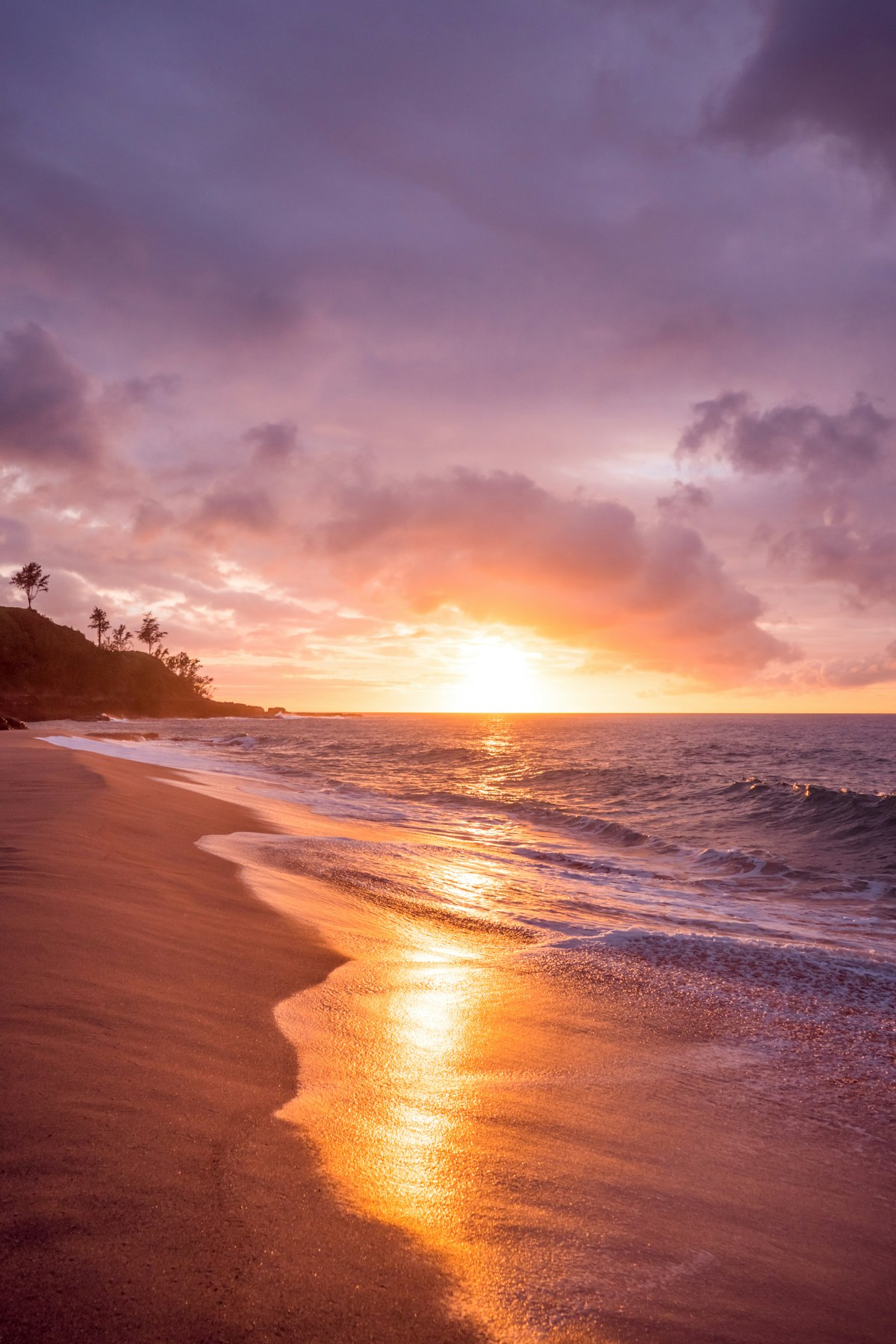
There are beaches that are beautiful, and then there is Shell Beach — a place where the Caribbean has spent millennia creating something that no landscape architect, however gifted, could conceive. Tucked into a small cove just minutes' walk from Gustavia's harbour, Anse de Grand Galet — known universally as Shell Beach — is composed not of sand but of millions upon millions of tiny, smoothly weathered shells, creating a surface that crunches softly underfoot and catches the tropical light in a mosaic of pink, white, coral, and amber that shifts with each tide.
The Geology of Elegance
The shells that compose this beach — predominantly from the species Nerita peloronta and Cittarium pica — have been accumulating for thousands of years, carried by currents from the surrounding reef systems and deposited in this protected cove where the geometry of the coastline creates a natural collection point. Each shell has been tumbled by waves for years before reaching the beach, its edges smoothed, its colours muted to the soft palette that gives Shell Beach its distinctive appearance.
Geologists describe the process as natural lapidary — the same tumbling action used by gem cutters to polish stones, but executed over timescales that no human workshop could replicate. The result is a beach surface that feels fundamentally different from sand: more textured, more varied, more intentional in its beauty. Where a sand beach presents a uniform surface, Shell Beach offers infinite microscopic variation — each handful containing shells of different species, ages, and degrees of weathering, creating a granular complexity that rewards close attention.
The Architecture of Intimacy
Shell Beach's dimensions contribute to its luxury proposition. At roughly one hundred and fifty metres long and twenty metres deep, it is small enough to feel exclusive even when moderately populated — a quality that distinguishes it from the island's larger beaches at Saline, Gouverneur, and Colombier. The cove is framed by volcanic rock formations that provide natural shade in the morning hours and create the sense of an enclosed, private space open only to the sky and the sea.
Access reinforces the intimacy. While technically public and reachable via a short path from Gustavia's waterfront, Shell Beach requires the knowledge that it exists — there are no prominent signs, no parking lots, no commercial infrastructure beyond a single, understated beach bar that serves rosé and Caribbean cocktails to a clientele that treats the location as a personal secret. This combination of proximity (five minutes from Gustavia's boutiques and restaurants) and seclusion (invisible from any main road) exemplifies Saint Barthélemy's distinctive approach to luxury: everything is available, but nothing is obvious.
The Sunset Amphitheatre
Shell Beach faces west-northwest, which gives it one of the most spectacular sunset positions on an island already celebrated for its evening light. As the sun descends toward the horizon, the shells' surfaces catch the reddening light, transforming the beach into a warm, luminous expanse that seems to glow from within. The volcanic rocks that frame the cove become dark silhouettes against the sky, creating a natural proscenium for the Caribbean's nightly performance.
The cognoscenti of Saint Barthélemy know that Shell Beach at sunset is not merely a visual experience but a multisensory one: the soft percussion of shells shifting in the surf, the salt-warm breeze carrying the scent of frangipani from the gardens above, the gradual cooling of the shell surface underfoot as the sun's angle changes. It is a moment that collapses the distinction between natural beauty and designed luxury — because here, nature has designed something more beautiful than any human intervention could achieve.
The Underwater Extension
Shell Beach's luxury extends beneath the surface. The cove's protected waters, sheltered from the Atlantic swells that affect the island's windward shores, create ideal conditions for snorkelling directly from the beach. The rocky margins of the cove harbour a rich marine ecosystem — sergeant majors, blue tangs, spotted drums, and the occasional hawksbill turtle navigate between coral formations and sea fans, offering an underwater landscape as texturally rich as the shell-covered beach itself.
The water clarity, typically offering fifteen to twenty metres of visibility, transforms even casual swimming into an encounter with the marine environment. The cove's shallow depth — rarely exceeding three metres near the beach — means that the shell-covered sea floor is visible from the surface, creating the disorienting impression of floating above a geological artwork that extends seamlessly from land into sea.
Conservation and Continuity
Shell Beach's ecological significance has not gone unrecognised. The cove is part of the Réserve Naturelle de Saint-Barthélemy, which prohibits the removal of shells from the beach — a regulation that, while occasionally tested by souvenir-seeking visitors, is respected by the island's resident community as a matter of cultural pride. The reserve's marine biologists monitor the shell accumulation rates and reef health that sustain the beach's unique character, ensuring that the geological process that created Shell Beach continues uninterrupted.
This conservation ethic aligns with Saint Barthélemy's broader approach to luxury development. The island has consistently chosen preservation over exploitation, understanding that its most valuable asset is not buildable land or hotel room capacity but the intactness of natural features — like Shell Beach — that cannot be replicated or restored once degraded. In this calculus, a beach made of shells is not a curiosity but a statement: that the most precious luxury is the one that only time and nature can produce.
Part of the Latitudes Media network