Saline Beach: The Wild Atlantic Side Where Saint Barth's Creative Elite Build Their Sanctuaries
March 14, 2026 · 8 min read
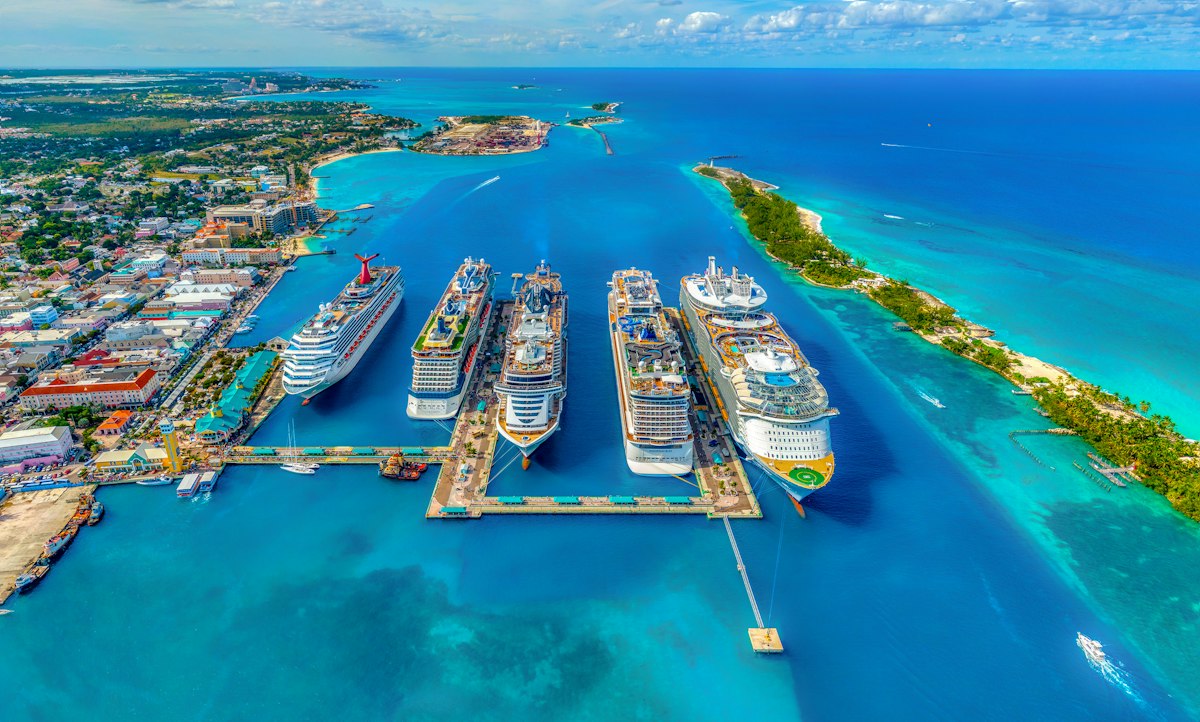
If Gustavia is Saint Barthélemy's jewel box — polished, curated, contained — then Saline is its opposite pole: a long crescent of white sand backed by sea-grape trees and low dunes, where the Atlantic rolls in unimpeded from Africa three thousand miles away. There are no sunbeds, no waiters, no DJ sets. You walk ten minutes from the car park through scrubland, and the beach appears like a secret someone forgot to monetise.
That apparent wildness is precisely why the hillsides surrounding Saline harbour some of Saint Barth's most valuable — and most discreet — residential real estate.
The Creative Class Arrives
Saint Barth's western enclaves — Colombier, Flamands, Gouverneur — have historically attracted financial wealth: hedge fund managers, shipping dynasties, family office principals. Saline drew a different tribe. Beginning in the 1990s, the area attracted European fashion designers, Parisian gallery owners, New York art dealers and Los Angeles creative producers who found in its rawer landscape an antidote to the island's more performative luxury.
This creative migration was catalysed by a handful of pioneering architects — most notably the late François Vieillecroze, whose low-slung, timber-and-stone villas dissolved into the hillside rather than announcing themselves. Vieillecroze understood that Saline's appeal lay in its apparent absence of design. His houses were oriented to catch the trade winds rather than maximise sea views, featured outdoor showers instead of marble bathrooms, and used local materials — volcanic basalt, weathered teak, terracotta — that aged gracefully in the salt air.
Today, a Vieillecroze-era Saline villa in good condition commands €8–15 million, less for the structure than for the ethos it represents. Buyers are purchasing an architectural philosophy as much as a property.
The New Wave: Technology Meets Terrain
Since 2020, Saline's buyer profile has shifted. Technology founders — typically on their second or third island acquisition — have begun purchasing and rebuilding in the area, drawn by the same qualities that attracted the creative class but with significantly larger budgets. Recent construction projects have pushed the €20–30 million range, incorporating features that blend extreme luxury with environmental sensitivity.
A 2024 completion by a prominent Paris-based studio exemplifies the trend: 600 square metres of living space arranged as a series of interconnected pavilions, each with a distinct function — cooking, entertaining, sleeping, contemplation. A 20-metre lap pool follows the natural contour of the hillside. Photovoltaic panels are integrated into the roof structure. Rainwater harvesting feeds the tropical gardens. The total investment, including €9 million land acquisition, exceeded €25 million.
What's notable is what was explicitly excluded: no wine cellar, no home cinema, no gymnasium. The architect described the brief as "radical simplification" — every element serves daily life; nothing exists purely for status display. This philosophy has become Saline's defining aesthetic: luxury defined by subtraction.
The Salt Ponds: Landscape as Heritage
Behind Saline beach lies the étang — a series of shallow salt ponds that once formed the basis of the island's economy. For centuries, Breton settlers harvested sea salt here, exporting it to the Caribbean and beyond. The salt trade collapsed in the mid-20th century, but the ponds remain, now a protected natural area that provides habitat for migratory birds and a haunting, mineral landscape that changes colour with the seasons — white-crusted in dry months, pink-tinged when brine shrimp populations bloom.
For properties overlooking the étang, this landscape is simultaneously a view amenity and a development buffer. No construction can occur on the salt flats, ensuring permanent open space on the inland side — a guarantee of privacy that is almost impossible to replicate elsewhere on the island. Several Saline estates have been designed specifically to frame the étang views, treating the salt ponds as a kind of environmental art installation that requires no maintenance and never disappoints.
Living at Saline: A Day
Morning begins early at Saline. The beach faces east-northeast, catching the first light and the coolest hours. By 7 AM, a handful of residents have already walked down for a swim — the Atlantic side is rougher than the Caribbean bays, with a consistent shore break that serious swimmers appreciate. The salt air carries a particular intensity here; locals claim it's therapeutic, and several wellness practitioners have built practices around the area's microclimate.
Midday is spent in the shade. Unlike Gustavia or St. Jean, Saline offers no commercial infrastructure for lunch. Residents retreat to their villas, where private chefs prepare meals from ingredients sourced at the Marché U or direct from fishermen in Corossol. The quality of domestic catering on Saint Barth is extraordinary — many private chefs have Michelin-starred backgrounds and have relocated to the island for lifestyle reasons, creating a culinary ecosystem that rivals any in the Caribbean.
Evenings at Saline are defined by sunset. The western orientation of the hillside villas captures the full spectacle — the sun dropping behind Colombier's headland, the sky cycling through amber, crimson and violet, the first stars appearing while the sea retains the last warmth of the day. It is this daily drama, available from every terrace on the hillside, that ultimately explains Saline's hold on its residents. No human creation can compete with it; the architecture merely positions you to receive it.
Market Outlook
Saline remains one of Saint Barth's tightest micro-markets. Perhaps six to eight properties change hands annually, most off-market. The area's protection — both regulatory (building height limits, setback requirements, environmental buffers) and social (an established community that actively discourages speculation) — ensures that supply will remain constrained.
For buyers willing to build rather than acquire, Saline offers arguably the best ratio of lifestyle quality to cost on the island. Buildable plots with partial ocean or étang views can still be found between €3–8 million — a fraction of equivalent Colombier or Gouverneur land. The three-to-four-year build timeline is the cost of entry, but the result — a bespoke villa in Saint Barth's most artistically significant neighbourhood — represents a category of asset that no other Caribbean destination can replicate.