Pain de Sucre: How Saint Barthélemy's Hidden Sugar Loaf Cove Became the Island's Most Intimately Secluded Beach Luxury
March 30, 2026 · 14 min read
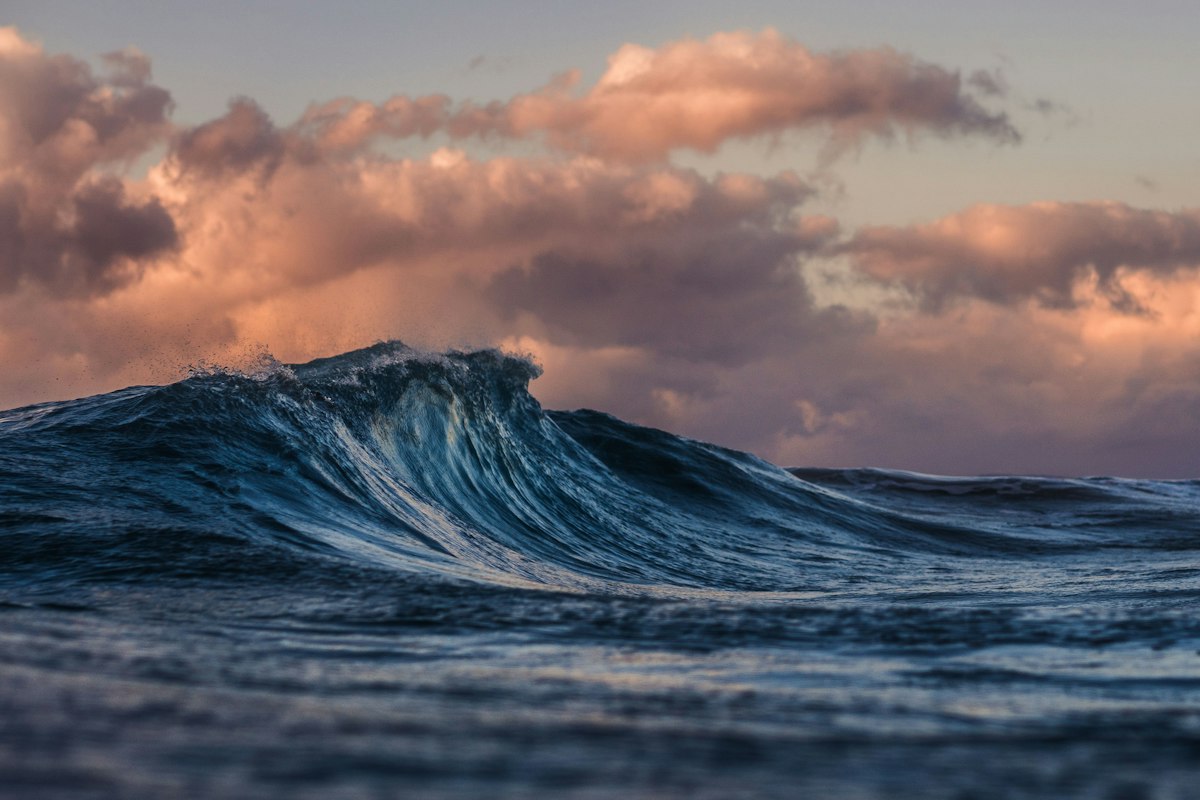
On an island where exclusivity is measured in metres of beachfront and degrees of seclusion, Pain de Sucre represents the absolute terminus of both scales. This diminutive cove on the southern shore of the Terre-de-Haut peninsula — named for the conical volcanic rock that rises from the turquoise water like a miniature Rio landmark — is accessible only via a steep, unmarked trail that descends through thorny scrub and volcanic scree. There is no road. There is no parking. There is no sign. The beach exists for those who know it exists, and even among Saint Barthélemy's cognoscenti, it remains a closely held secret.
The Geology of Intimacy
Pain de Sucre owes its extraordinary character to the same volcanic forces that created Saint Barthélemy itself. The Sugar Loaf — a basaltic plug approximately 30 metres in height — is the erosion-resistant core of an ancient volcanic vent, left standing as the softer surrounding rock was carved away by millennia of Atlantic swells. The result is a natural amphitheatre: the cove is enclosed on three sides by steep volcanic walls and on the fourth by the Sugar Loaf itself, which breaks the open ocean swell and creates a lagoon of preternatural calm within what would otherwise be an exposed and unswimmable shore.
The geological configuration produces a beach of barely 40 metres in width — a crescent of coarse white sand mixed with pink coral fragments and polished volcanic pebbles. At capacity, the beach accommodates perhaps fifteen people in comfort; in practice, it rarely holds more than five or six at any given moment, even during peak season. The arithmetic of exclusivity is unimprovable: this is a beach whose capacity is limited not by regulation but by physics, and whose access is controlled not by a concierge but by topography.
The Descent
The trail to Pain de Sucre begins where the paved road ends at the tip of the Terre-de-Haut peninsula, near the remnants of a colonial-era fortification. The path descends approximately 60 metres in vertical elevation over a distance of 300 metres — a gradient steep enough to require handholds in places and to discourage anyone wearing anything more formal than hiking sandals. The vegetation transitions from the scrubby windward flora of the clifftop — century plants, turk's cap cactus, and sea grape — to the salt-pruned coastal shrub of the lower slopes, where the air thickens with the mineral scent of volcanic rock heated by the tropical sun.
This descent is not an inconvenience but a filtration mechanism. Every step down the trail increases the commitment required to reach the beach and correspondingly decreases the probability of casual visitors. The result is a self-selecting population of swimmers, snorkellers, and sun-seekers who have chosen this cove specifically — who have packed their own water, their own towels, their own provisions, and who understand that the reward is proportional to the effort. There is no beach bar, no lounger rental, no parasol service. Pain de Sucre offers only itself: rock, sand, water, silence.
The Underwater Theatre
The volcanic geology that creates Pain de Sucre's terrestrial drama continues beneath the waterline with equal force. The Sugar Loaf's submerged flanks drop steeply into water that transitions from turquoise to cobalt within 20 metres of the shoreline, creating a snorkelling environment of unusual depth and diversity for such a small cove. The rocky substrate supports dense colonies of brain coral, elkhorn coral, and sea fans, while the deeper channels between the Sugar Loaf and the cliffs harbour green turtles, spotted eagle rays, and the occasional nurse shark cruising the thermocline.
The water clarity — typically exceeding 30 metres of visibility — transforms the cove into a natural aquarium of genuine spectacle. Schools of blue tang, sergeant majors, and yellowtail snappers patrol the coral heads, while barracuda hover motionless in the midwater column with the alert stillness of predators at rest. For the experienced snorkeller, Pain de Sucre offers a marine environment that rivals dedicated snorkelling sites accessible only by boat, with the added distinction that one can swim from a deserted beach rather than rolling backward off a catamaran into a crowd of fellow tourists.
The Light at Pain de Sucre
The cove's south-facing orientation and its enclosure by high volcanic walls create a light environment that changes character dramatically throughout the day. In the morning, the walls cast the western half of the beach in deep shadow while the eastern half blazes with direct tropical light — a chiaroscuro effect that photographers and painters have attempted, with varying success, to capture. By midday, the sun clears the cliff rim and floods the entire cove with the flat, shadowless brilliance of the Caribbean zenith, turning the water a uniform electric turquoise that appears artificial until one swims in it and discovers that the colour is, impossibly, accurate.
The afternoon brings the most dramatic transformation. As the sun descends toward the western headland, the Sugar Loaf's shadow lengthens across the water, creating a moving boundary between illuminated turquoise and shadowed indigo that sweeps across the cove like a slow curtain. The volcanic walls, heated by hours of direct sun, radiate warmth that lingers well after the shade arrives, creating a microclimate that is simultaneously shaded and warm — a combination that the Caribbean's open beaches, exposed to the trade winds, rarely achieve. It is in this late-afternoon light, with the sea calming to its evening stillness and the cliff walls glowing amber above, that Pain de Sucre reveals itself as something more than a beach: it is a room, walled by geology and roofed by sky, whose furnishings are sand and water and silence.
The Real Estate Implications
Pain de Sucre itself, being public beach, cannot be owned. But the properties that occupy the Terre-de-Haut peninsula above it — a handful of villas perched on the cliff edges with views down into the cove and across to the Sugar Loaf — represent some of the most quietly coveted addresses on the island. These are not the glass-and-steel showpieces of Pointe Milou or the hilltop compounds of Vitet; they are older, more modest structures, many dating from the 1990s and early 2000s, that derive their value not from architectural ambition but from geographical privilege. A villa above Pain de Sucre offers something that no amount of money can manufacture: a private terrace from which one looks down into an essentially private beach, across water that one has swum that morning, toward a volcanic pinnacle that has stood for 25 million years.
The transactional evidence is sparse — properties in this micro-location change hands perhaps once per decade — but indicative. Recent assessments suggest values in the €8–€15 million range for properties whose built area and architectural specification would command a fraction of that price in less privileged locations. The premium is entirely geographical: it is the value that the market assigns to proximity to a beach that cannot be enlarged, replicated, or improved upon, because the beach is already, in its natural state, perfect.
The Philosophy of Inaccessibility
In an era when luxury travel has been democratised to the point of self-contradiction — when overtourism threatens the very destinations that exclusivity once protected — Pain de Sucre embodies a counterproposition. Its inaccessibility is not a flaw to be engineered away but a feature to be preserved. The trail will never be improved because improvement would destroy the very quality that makes the destination desirable. The beach will never have amenities because amenities would attract the volume that amenities require. The cove's perfection is inseparable from its difficulty, and its luxury — the deepest luxury, the kind that cannot be purchased but only earned — is the luxury of arriving somewhere beautiful and finding oneself, improbably, alone.
For the ultra-high-net-worth visitors who charter €200,000-per-week villas on the island's more celebrated beaches, Pain de Sucre represents a paradox: it is the most exclusive beach on the most exclusive island in the Caribbean, and it costs nothing to visit. The only currency it accepts is effort — the willingness to walk downhill for fifteen minutes and uphill for twenty-five, to carry one's own provisions, to surrender the comforts of concierge service in exchange for solitude. It is, in this sense, the most democratic expression of luxury on an island defined by its aristocratic pricing, and perhaps the most honest: a reminder that the Caribbean's deepest pleasures were never about thread count or sommelier service, but about standing at the edge of warm water under an infinite sky, with no sound but the breathing of the sea against volcanic rock.
Saint Barth Latitudes
Premium intelligence on Saint Barthélemy luxury real estate, lifestyle, and island living.
Request Access →