Gustavia's Renaissance: How Saint Barth's Tiny Capital Became the Caribbean's Most Exclusive Harbour
March 15, 2026 · 10 min read
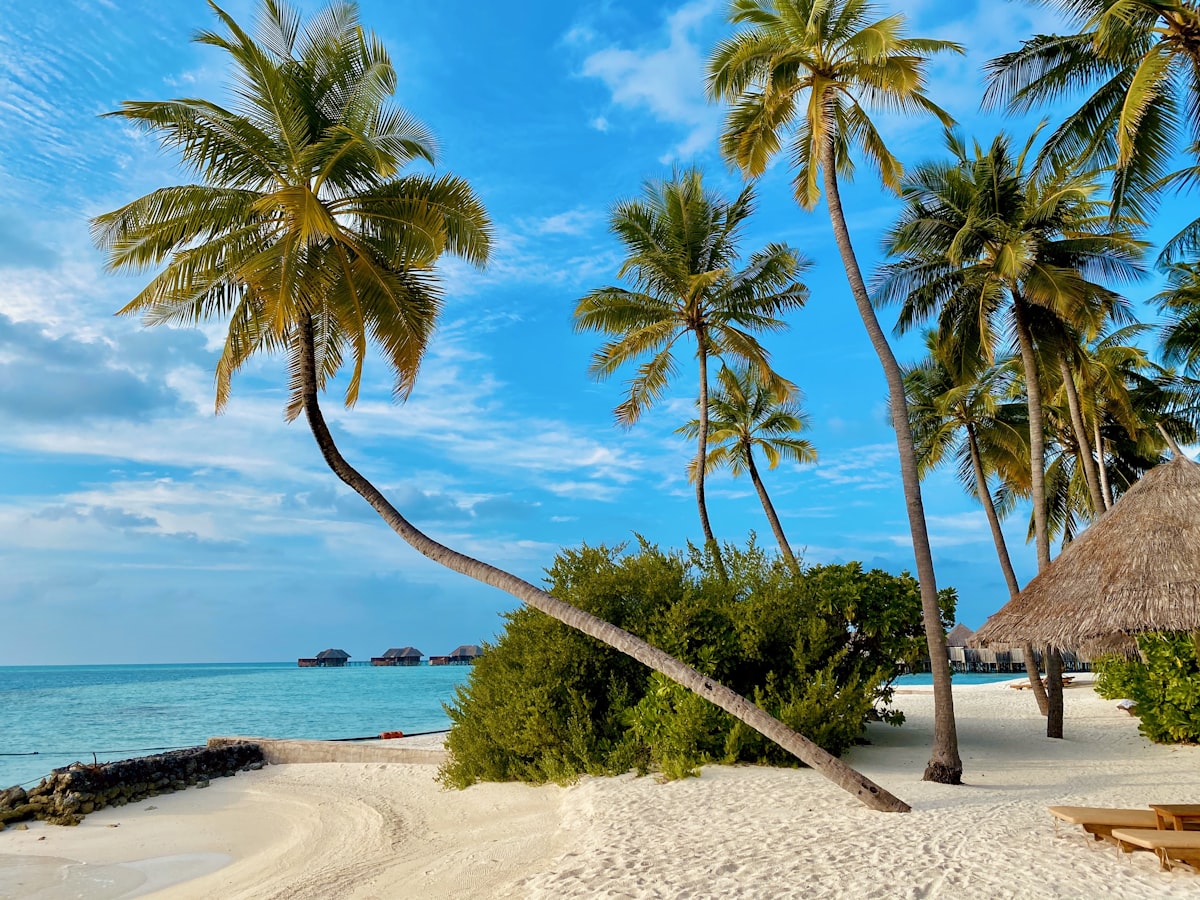
Gustavia is an improbability. A harbour capital of fewer than 3,000 permanent residents, perched on a volcanic hillside in the Lesser Antilles, named after a Swedish king who never visited. Its harbour is barely 400 metres from end to end — too small for most modern cruise ships, too shallow for the largest megayachts. And yet, per square metre, Gustavia concentrates more luxury retail, more ultra-high-net-worth visitors, and more real estate value than any comparable port in the Caribbean, and most in the Mediterranean.
The Port That Chose Scarcity
Gustavia's harbour accommodates approximately 40 yachts at a time, with berths for vessels up to 55 metres on the main quay. During peak season — December through April — the waiting list for a berth runs to several weeks, and the daily rate for a prime position on the Quai du Général de Gaulle reaches €3,000 for a 40-metre yacht. The harbour authority has resisted all proposals to expand capacity, a decision that initially seemed conservative but has proven strategically brilliant.
By capping supply, Gustavia has created a natural filter: only the most determined — and most affluent — yachting visitors gain access. The result is a floating community that, during high season, represents a combined net worth estimated at €15 to 20 billion. The harbour becomes, in effect, the world's most exclusive members' club, with no membership fee beyond the cost of getting there.
Rue de la République: The World's Smallest Luxury Mile
The commercial heart of Gustavia runs along the Rue de la République and the parallel Rue du Roi Oscar II — a combined distance of perhaps 300 metres. Within this compressed geography, you will find boutiques from Louis Vuitton, Hermès, Cartier, Chopard, Bulgari, Dior and Prada, alongside independent jewellers and the kind of curated concept stores — Linen by Ligne St Barth, Calypso — that cater to a clientele accustomed to discovering rather than being marketed to.
The rent per square metre on Rue de la République is estimated at €4,000 to 6,000 annually — comparable to London's Bond Street or Paris's Rue du Faubourg Saint-Honoré, despite the street's total commercial frontage being shorter than a single block on either of those avenues. The brands are not here for volume. They are here for density of wallet share and the brand-equity halo effect of association with Saint Barth's carefully maintained exclusivity.
The Reconstruction and What It Revealed
Hurricane Irma's devastation in September 2017 was existential. Gustavia's waterfront was severely damaged, dozens of commercial properties were destroyed, and the island's infrastructure — already minimal by design — was pushed to breaking point. What followed was a reconstruction that, rather than simply restoring what existed, revealed an opportunity to elevate.
The Collectivité de Saint-Barthélemy invested approximately €180 million in reconstruction, with strict architectural guidelines that preserved the town's Swedish-colonial aesthetic while upgrading infrastructure to Category 5 hurricane standards. New commercial properties along the waterfront were built with reinforced concrete cores behind period-appropriate façades. The harbour's seawall was raised and strengthened. Underground utilities replaced the vulnerable overhead lines.
The effect on property values was dramatic. Pre-Irma, commercial real estate in central Gustavia traded at approximately €8,000 per square metre. By 2024, equivalent properties — rebuilt, reinforced and modernised — were commanding €15,000 to 18,000 per square metre. The hurricane, paradoxically, accelerated Gustavia's transition from charming Caribbean port to fortified luxury enclave.
The Evening Economy
Gustavia after dark operates on its own rhythm. The harbour empties of day-trippers by 6pm, and what remains is a distillation of the island's most committed visitors. Dinner reservations at Bonito — perched above the harbour with panoramic views — are traded like favours. Le Select, the famously unpretentious open-air bar founded in 1949, fills with a mix of yacht crew, villa owners and the occasional billionaire who has learned that the best tables in Saint Barth are the ones without tablecloths.
This deliberate informality is Gustavia's ultimate luxury. In a world where exclusive destinations compete through opulence and spectacle, Saint Barth's capital offers something rarer: the confidence to be understated. It is a harbour that understood, long before the concept became fashionable, that true exclusivity is not about what you add. It is about what you refuse to build.
Discover More of Saint-Barth
Explore our curated guides to the island's most exclusive addresses.
Explore Destinations