Flamands Bay: How the Caribbean's Quietest Beach Became Its Most Expensive
March 16, 2026 · 10 min read
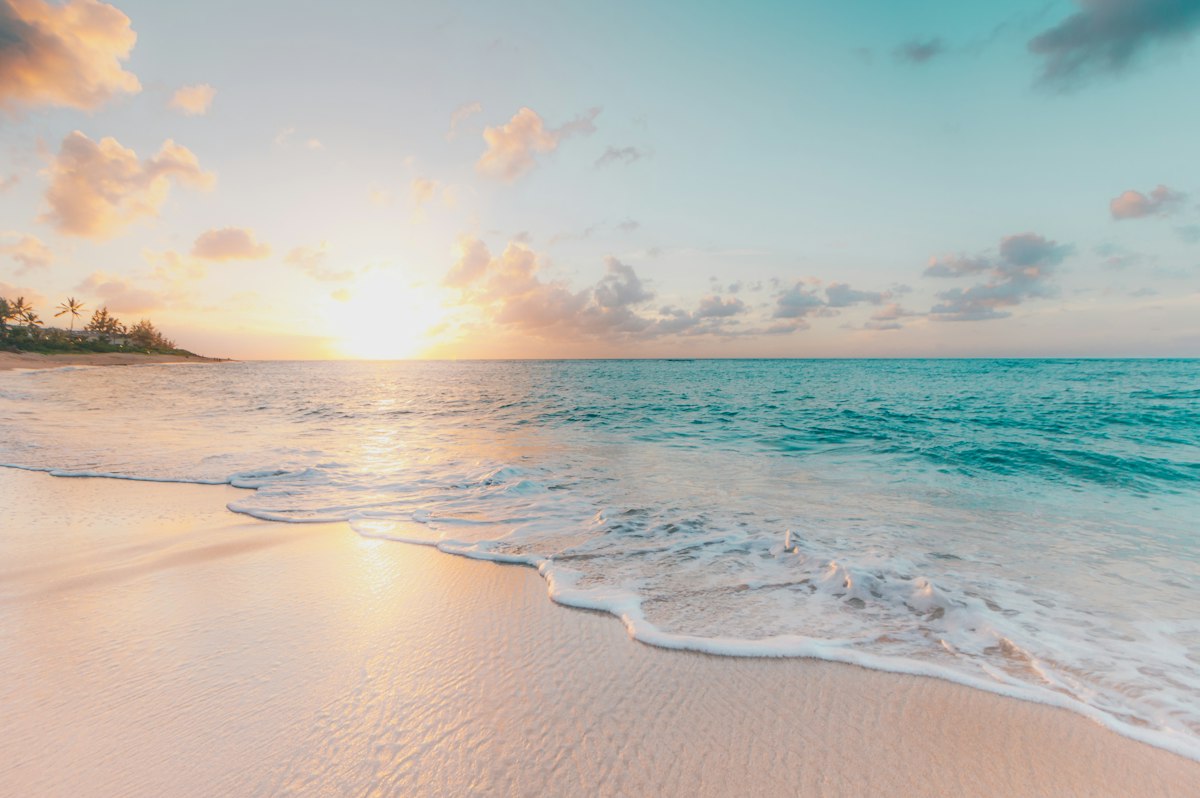
On an island where every beach is extraordinary, Flamands stands apart by being ordinary. No beach bars. No DJs. No jet skis. Just 300 metres of wide, gentle sand on Saint-Barthélemy's northwestern coast, framed by volcanic hills carpeted in sea grape and frangipani. It is, by any conventional measure, the quietest beach on an island celebrated for its quietness. Which is precisely why it became the most expensive. When the compound at the eastern end of the bay traded in 2021 for a reported €100 million — making it the most expensive residential transaction in Caribbean history — Flamands crossed from luxury real estate into a different category entirely: geography as pure scarcity.
The Geography of Exclusivity
Flamands' appeal begins with geology. Unlike Saint-Jean or Shell Beach, which face south and absorb the full force of the Caribbean trade winds, Flamands is sheltered in a northwest-facing cove. The water is calmer. The waves are gentler. The beach is wider — at high tide, there's still 40 metres of sand, compared to the 10-15 metres typical of the island's southern beaches. More critically, the bay is bounded by two steep volcanic headlands that create natural barriers to development. There are exactly 14 buildable plots with direct beach access. All 14 are built. This isn't a market waiting to expand. It's a market that physically cannot.
The western headland descends to a rocky point where the Cheval Blanc St-Barth Isle de France — arguably the Caribbean's most refined hotel — has occupied its position since the early 1990s. The eastern headland holds the estate that made global headlines: a multi-structure compound with its own beach access, helipad, and 270-degree views encompassing the islands of Saint Martin, Anguilla, and Saba. Between these two anchors — a LVMH hotel and a nine-figure private estate — the remaining dozen villas quietly appreciate at 8-12% annually, their owners rarely selling and never advertising.
The Cheval Blanc Effect
No discussion of Flamands is complete without the Cheval Blanc, which functions simultaneously as a luxury hotel and as the beach's de facto gatekeeper. LVMH acquired the property (then called the Tom Beach Hotel) in 2010 and spent three years and an undisclosed sum — estimated at €80 million — transforming it into a 40-room jewel box. The hotel's design philosophy is "tropical modernism": clean white lines, natural timber, open-air living spaces where the boundary between interior and garden dissolves. Its restaurant, La Case de l'Isle, serves what is plausibly the finest French-Caribbean cuisine in the hemisphere. But the hotel's most important contribution to Flamands is atmospheric: it established a tone. Cheval Blanc doesn't permit loud music on the beach. It doesn't permit jet ski operators to approach. It doesn't permit hawkers or vendors. The result is a beach experience that feels less Caribbean and more like the grounds of a private estate — which, in a sense, it is.
What Money Cannot Build
The fundamental economic truth of Flamands is simple: demand for beachfront on Saint-Barthélemy exceeds supply by a factor that grows annually, and Flamands' supply is fixed at zero new units. The island's building codes — among the strictest in the Caribbean — prohibit any structure taller than the surrounding vegetation. Subdivision of existing plots is virtually impossible under the collectivité's planning regulations. New beach access paths require environmental impact assessments that typically take three to five years. The practical result is that acquiring a Flamands beachfront property requires either extraordinary patience (waiting for an existing owner to die or divorce) or extraordinary persuasion (convincing someone to part with an asset that appreciates faster than nearly any alternative investment).
Recent transactions confirm the premium. In early 2025, a four-bedroom villa with direct Flamands beach access traded for €32 million — approximately €18,000 per square metre for the interior, but the metric is misleading. Nobody pays €32 million for four bedrooms. They pay for 40 metres of beachfront that will never be replicated. The villa's rental income, at €50,000 per week during high season (December through April), generates approximately €700,000 annually — a gross yield of just 2.2%. Buyers accept this yield because the capital appreciation thesis is geological, not financial: the sand isn't going anywhere, and neither are the volcanic headlands that protect it.
The Sunset Ritual
Every evening, as the sun drops behind the volcanic ridge of Colombier, Flamands Bay enters what locals call the "golden window" — approximately 20 minutes during which the entire bay is illuminated in a warm amber light reflected off the western cliffs. During this window, the beach is at its most populated: perhaps 30 people across 300 metres. Villa owners emerge onto their terraces. Hotel guests drift toward the waterline with glasses of Sancerre. A few swimmers float motionlessly in the still water, faces tilted toward the last light. There are no photographs that capture what this looks like, because the beauty of Flamands isn't visual — it's temporal. It's the specific quality of light at a specific moment on a specific beach that cannot be duplicated by any amount of architecture or landscaping. It is, in the truest sense of the overused word, priceless. And it is why Flamands Bay remains the ultimate address in the Caribbean: not because of what has been built upon it, but because of what nature placed there first.
Saint Barth Latitudes provides premium intelligence on luxury real estate, lifestyle, and investment across the Caribbean's most exclusive island. Request access to our private advisory circle.