Colombier Trail: How the Caribbean's Most Exclusive Hike Ends at Its Most Untouched Beach
March 16, 2026 · 10 min read
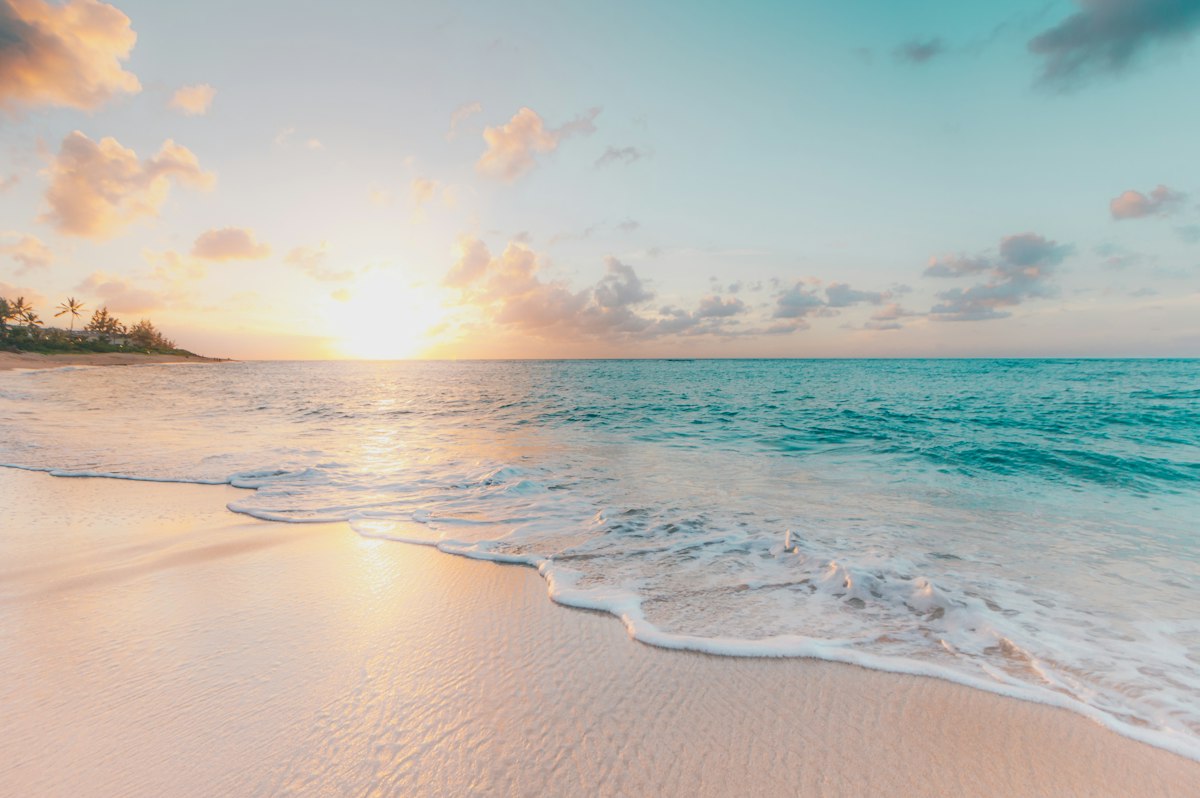
On an island where a beachfront villa costs €25 million and a sunset table at Bonito requires three weeks' notice, the most luxurious experience Saint-Barthélemy offers costs nothing at all. The Colombier Trail — a 25-minute hike along a rocky headland at the island's north-western tip — ends at a crescent of white sand that has no road access, no restaurant, no bar, no sun loungers and no buildings of any kind. It is, by any measure, the most exclusive beach in the Caribbean, and its exclusivity is enforced not by a velvet rope but by geography.
The Trail That Filters
There are two paths to Colombier Beach. The first starts at the end of the road in Colombier village, descending through dry scrubland and volcanic rock along a trail marked by painted blue dots. The gradient is moderate but the terrain is uneven — loose stones, exposed roots, sections where the path narrows to barely a metre with drops to the sea on one side. It is not dangerous, but it is not casual. Flip-flops, wheelie coolers, beach umbrellas and the vast apparatus of modern beach-going are effectively excluded by the landscape itself.
The second approach is by water. Yachts anchor in the bay — rarely more than five or six at a time, due to the limited swinging room and the exposed northerly aspect — and passengers tender to shore. During the winter season, the boats range from 30-metre sailing yachts to 60-metre motor yachts, their crews setting up picnic lunches on the sand with the casual precision of a military logistics operation. On any given December afternoon, the combined value of vessels in the bay may exceed €200 million, yet the scene remains remarkably tranquil: no music, no jet skis, no parasailing.
The Rockefeller Legacy
Colombier's preservation is not accidental. The headland above the beach was owned for decades by David Rockefeller, who purchased the land in the 1960s when Saint-Barthélemy was still a forgotten outpost of the French département of Guadeloupe. Rockefeller built a modest estate on the hillside — stone walls, tropical gardens, views across the bay to the islands of Saint-Martin and Anguilla — but more importantly, he ensured that the coastline below would never be developed. After his death in 2017, the estate was listed at US$55 million; the land alone, without the structures, was valued at US$35 million, reflecting the extraordinary premium attached to controlling access to an untouched Caribbean coastline.
The Rockefeller connection established Colombier's reputation among a clientele that values discretion above display. Unlike Saint-Jean Beach — visible from the airport runway, lined with hotels, populated by Instagram photographers — Colombier attracts visitors who prefer to be unseen. The absence of any commercial infrastructure means there are no transactions to be observed, no reservations to be tracked, no social media check-ins to broadcast one's presence. In an era of total digital transparency, Colombier offers analogue privacy.
Marine Sanctuary
Since 1996, the waters off Colombier have been designated a marine reserve (réserve naturelle marine), prohibiting fishing, anchoring on coral and the use of motorised watercraft within the bay. The result, three decades on, is a marine ecosystem of unusual richness for the Caribbean: green sea turtles feed on seagrass beds visible from the surface, hawksbill turtles nest on the beach during summer months, and the coral formations — bleached and degraded across most of the Lesser Antilles — remain in reasonable health thanks to the absence of boat traffic and shore-based pollution.
For visitors equipped with mask and fins, the snorkelling is among the best in the island chain. Visibility regularly exceeds 25 metres. The rocky outcrops at either end of the bay shelter tarpon, barracuda, spotted eagle rays and, occasionally, nurse sharks resting on the sandy bottom. The absence of motorised boats means the underwater soundscape is dominated by the clicks and pops of marine life rather than the drone of outboard engines — a difference that, once experienced, makes ordinary Caribbean snorkelling feel industrial.
The Properties That Watch
The hillsides above Colombier Bay contain some of Saint-Barthélemy's most valuable residential real estate. The appeal is obvious: panoramic views across an unspoiled bay, guaranteed protection from future development, and the particular quality of light that occurs when late-afternoon sun illuminates white sand against deep blue water with no built structures to interrupt the composition.
Properties in the Colombier district trade between €8 million and €45 million, depending on elevation, view angle and proximity to the trail access point. The most coveted positions are those that overlook the bay from the southern headland — elevated enough to see both the beach and the open ocean beyond, sheltered from the prevailing trade winds by the hill's contour, and positioned so that the sunset is framed between the headlands as it sinks into the Caribbean Sea.
Recent transactions reflect the global ultra-luxury market's appetite for irreplaceable natural assets. A three-bedroom villa with direct Colombier Bay views sold in late 2025 for €32 million — approximately €16,000 per square metre for the interior space, but the price was driven entirely by the 3,200 square metres of hillside land and the view it commands. The buyer, a European family office principal, reportedly visited once, by helicopter, and completed the purchase within 72 hours.
What Money Cannot Build
Colombier's significance within Saint-Barthélemy's luxury ecosystem extends beyond its beauty. The beach represents something increasingly rare in the global luxury market: an asset that cannot be replicated, expanded or improved. You cannot build a restaurant, add a jetty, install a sound system or construct a beach club. The marine reserve prevents underwater development. The trail access prevents vehicle traffic. The topography prevents helipad construction at beach level. Every mechanism that the luxury industry typically deploys to monetise a beautiful location is blocked by regulation, geography or both.
This irreducibility is precisely what makes Colombier valuable. In a world where every beautiful coastline from Mykonos to Tulum has been colonised by beach clubs, daybed reservations and champagne service, Colombier remains what all beaches once were: sand, water, sky and silence. The hike is the price of admission, and the reward is the rarest luxury of all — a place where the natural world has not been improved, curated or filtered for consumption, but simply left alone.
Latitudes Intelligence
For private access to Colombier hillside properties and Saint-Barthélemy villa listings, request membership to the Latitudes Circle.